Kenya’s mining sector has recorded a rise in royalty collections to Sh3.8 billion in 2025, driven by increased oversight of quarry operations and a gradual shift toward formalising small-scale extraction activities after the end of large-scale titanium mining in Kwale. The recovery comes after two years of falling earnings linked to the closure of major mineral production sites.
Figures from the Ministry of Mining show that royalties moved up from Sh3.2 billion in 2024 to Sh3.8 billion in 2025, representing an 18.8 per cent increase.
Even with the improvement, the latest performance remains below the recent peak of about Sh5 billion recorded in 2022. Collections later dropped to Sh3.7 billion in 2023 before easing further in 2024, a period marked by reduced output from large mining operations.
The fall in 2024 followed the exhaustion of titanium deposits, which brought an end to one of Kenya’s most important mining ventures in Kwale. Over an 11-year period, Base Titanium shipped about 5.2 million tonnes of mineral sands, including 3.89 million tonnes of ilmenite, 804,000 tonnes of rutile, and 295,000 tonnes of zircon, in addition to other smaller mineral exports.
With the closure of the project, the country experienced a sharp reduction in royalty inflows, exposing the dependence on a few large extractive projects for mining revenue. Government officials say the 2025 rebound is now being supported by efforts to widen the tax base through regulation of quarry operations that had long operated outside formal systems.
“We have had a number of shocks in between. This year, for example, Base Titanium is not there. But then again, we are closing in on the quarries,” the Mines Secretary in the Ministry of Mining, Thomas Mutwiwa, said, pointing to increased licensing of operators producing ballast and road construction materials.
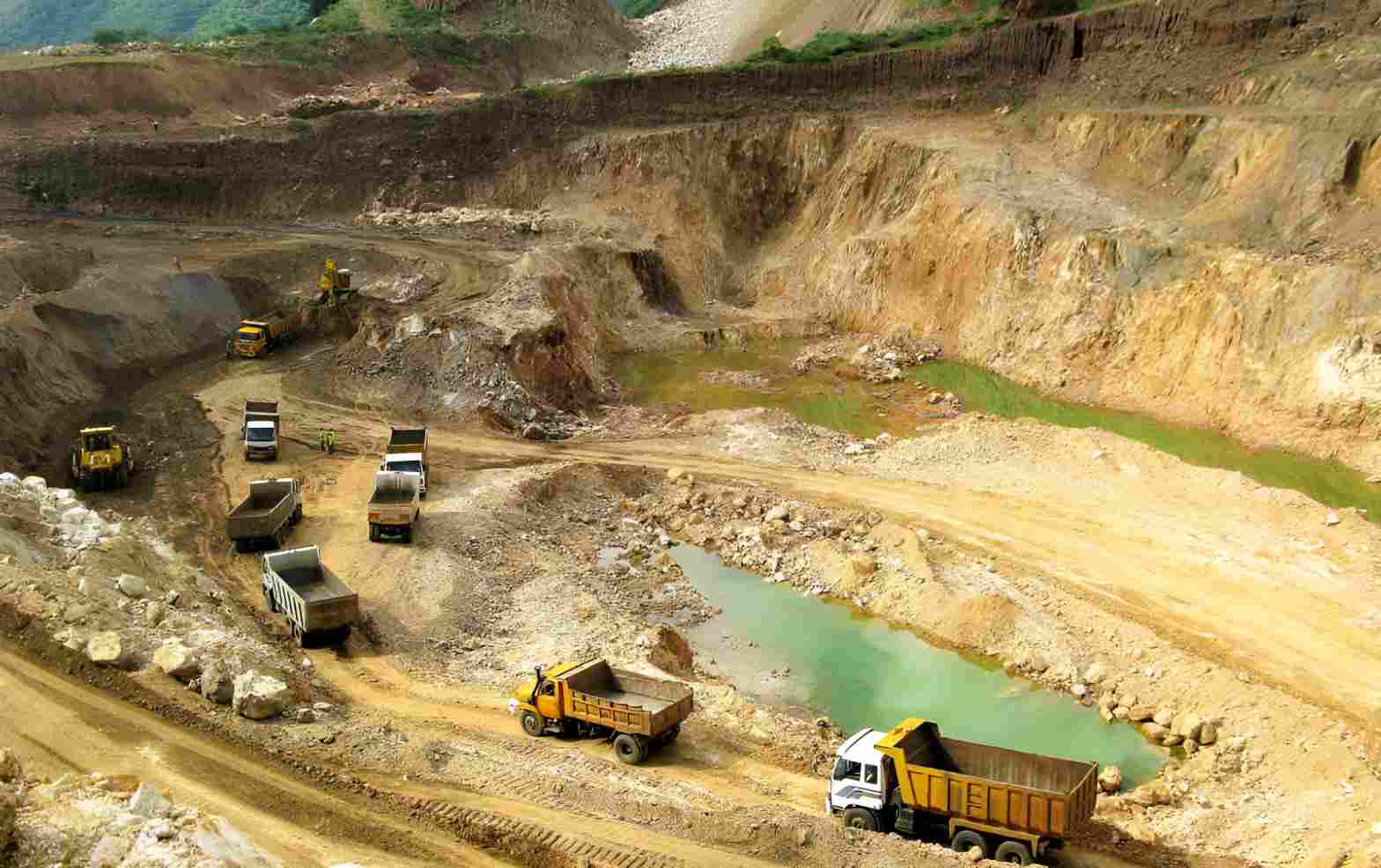
Quarry sites that produce ballast, murram, and other building inputs used in roads, housing, and infrastructure development are now emerging as a major source of revenue. Many of these sites had for years operated without proper licensing, despite strong demand driven by public infrastructure works and the construction sector.
Authorities are now tightening registration and compliance rules to ensure quarry operators contribute royalties to the State. Officials say this approach is helping improve stability in collections, since quarry output is largely consumed within the country and is less affected by changes in global commodity prices.
Royalty charges in Kenya differ depending on the type of mineral. Rare earth elements attract an eight per cent levy on gross value, metallic ores such as copper are charged at five per cent, while gold is taxed at three per cent. Gemstones are charged between 1 and 6 per cent depending on quality and type.
Industrial minerals linked to quarrying activities are now playing a bigger role in total collections as enforcement expands and more operators are brought into the formal system.